ABOUT US


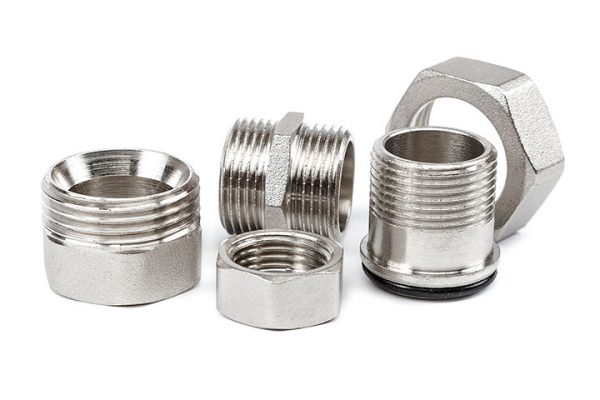
Discusses material final processing services in various ways, especially special treatment of materials whose main ingredient is iron. The aim that the resulting material will be strong and corrosion resistant.

Here are some of the benefits:

1. The coating has high gloss and high-quality metal appearance;

2. The basic materials are SUS, Al, Zn, Mg, etc.; Relatively low cost compared to PVD.

3. Give special effects to metal surfaces.

etc.
OUR SERVICES

Electroplating

Electroplating

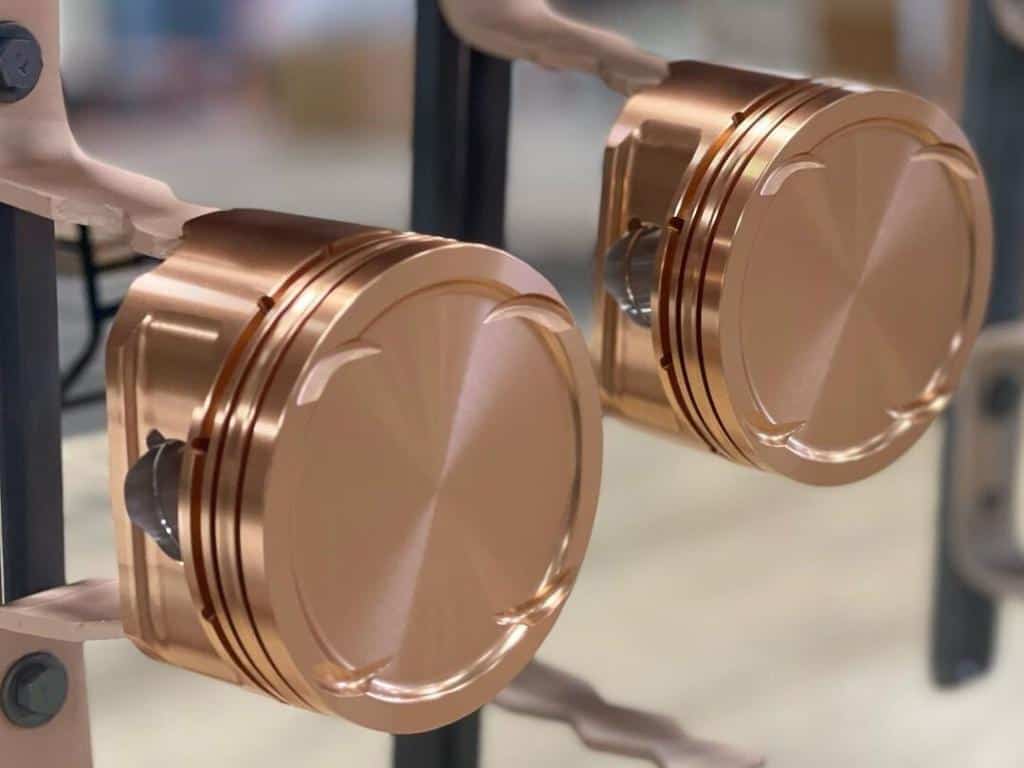
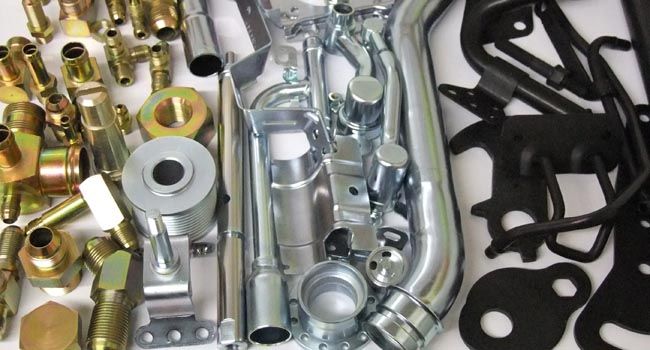
The metal coating process uses electric current and certain chemical compounds to transfer coating metal particles to the material to be coated, can prevent corrosion, improve wear resistance, electrical conductivity, light reflectivity, and improve aesthetics.

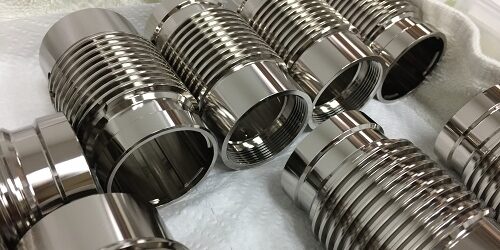
Anodizing

Anodizing

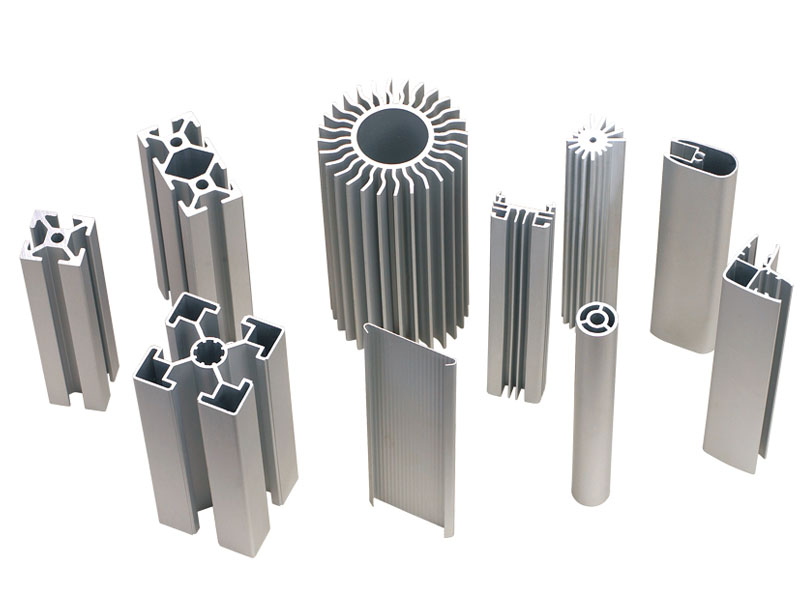
This process uses electrochemical principles to form a film layer of Al2O3 (aluminum oxide) on the surface of aluminum and aluminum alloys. This oxide film layer has special characteristics, such as protection, decoration, insulation and abrasion resistance.

OUR PROJECT

Various Types of ELECTROPLATING are available here

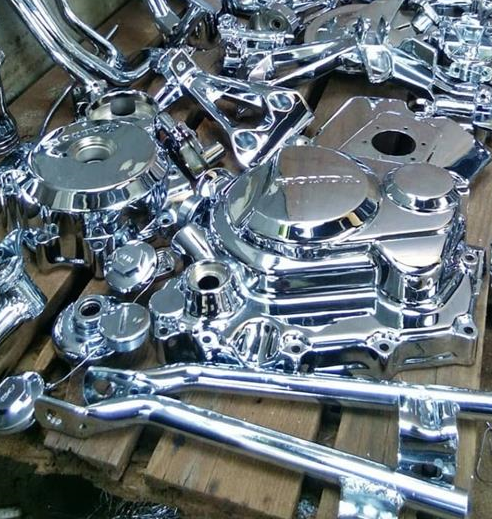
Chromium Plating
Chromium Plating
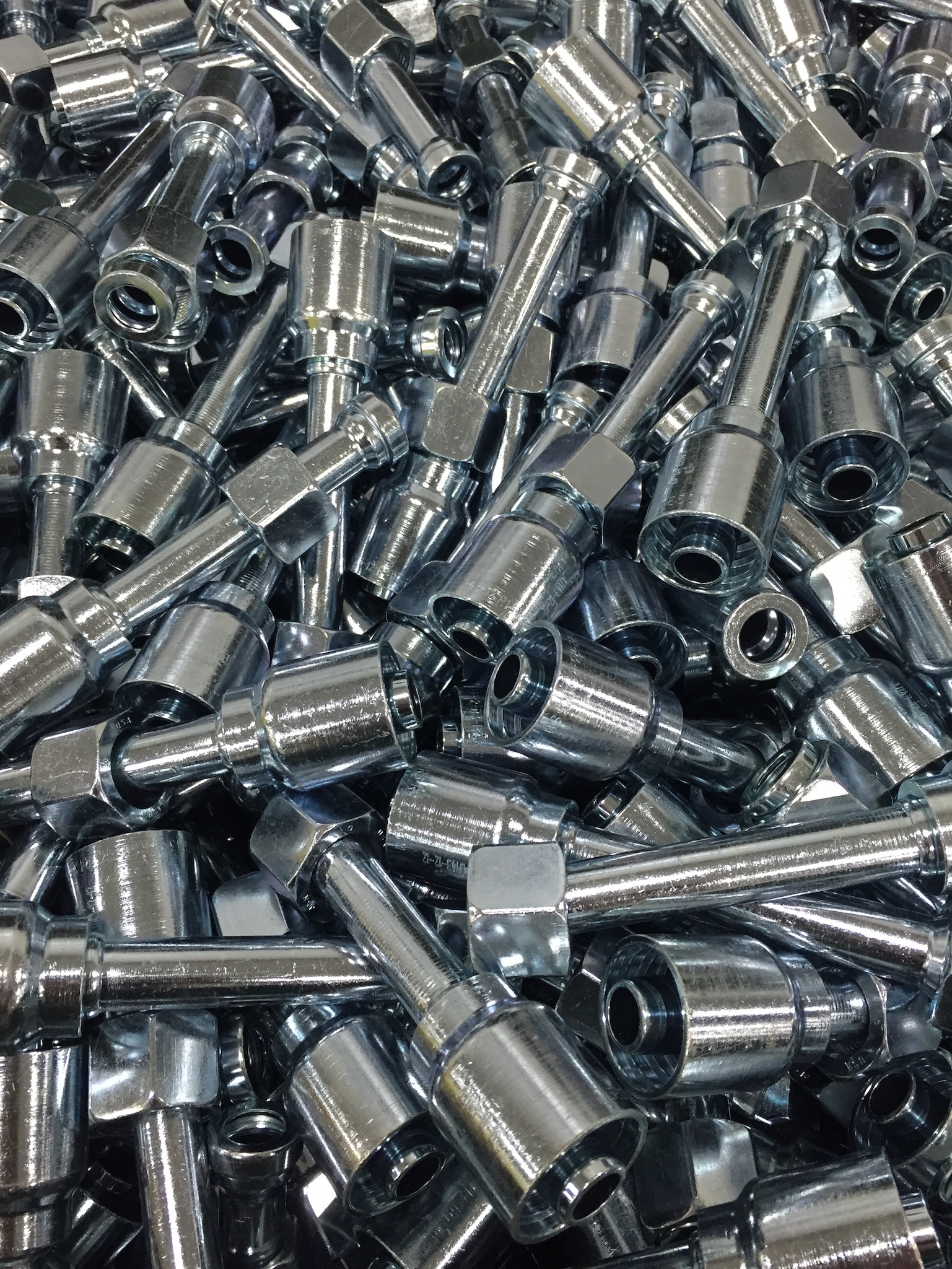
Zinc Plating
Zinc Plating
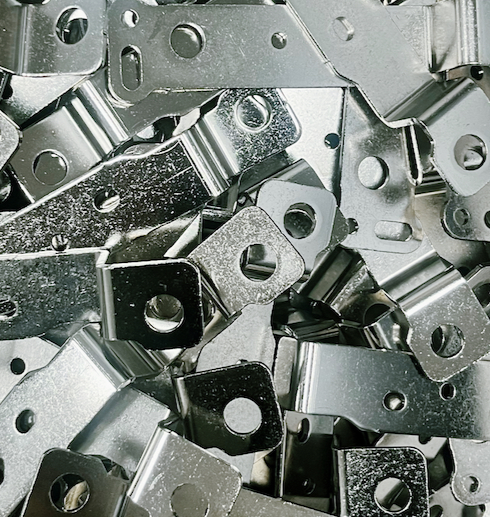
Nickel Plating
Nickel Plating
Chromium Plating
Chromium Plating
Zinc Plating
Zinc Plating
Nickel Plating
Nickel Plating
Zinc Plating
Zinc Plating
Chromium Plating
Chromium Plating is composed of Rack and Barrel on Steel, Aluminum, Brass, and Copper.
Zinc Plating
Zinc Plating is composed of Rack and Barrel on Steel, Brass, and Copper.
Nickel Plating
Nickel Plating is composed of Rack and Barrel on Steel, Stainless, Aluminum, Brass, and Copper.

Various Types of ANODIZING are available here

Chromic Acid Anodizing
Chromic acid is the main catalyst in the oxide layer formation in this process type.
Sulfuric Acid Anodizing
Employs Sulfuric acid rather than chromic acid and is the most popular method in aluminum anodizing.
Hard Anodizing
Hard anodizing type also employs sulfuric acid but at a lower temperature and higher voltage and current density.
Chromic Acid Anodizing
Chromic acid is the main catalyst in the oxide layer formation in this process type.
Sulfuric Acid Anodizing
Employs Sulfuric acid rather than chromic acid and is the most popular method in aluminum anodizing.
Hard Anodizing
Hard anodizing type also employs sulfuric acid but at a lower temperature and higher voltage and current density.

PRODUCTION PROCESS

Implementation of Electroplating Process

Implementation of Anodizing Process

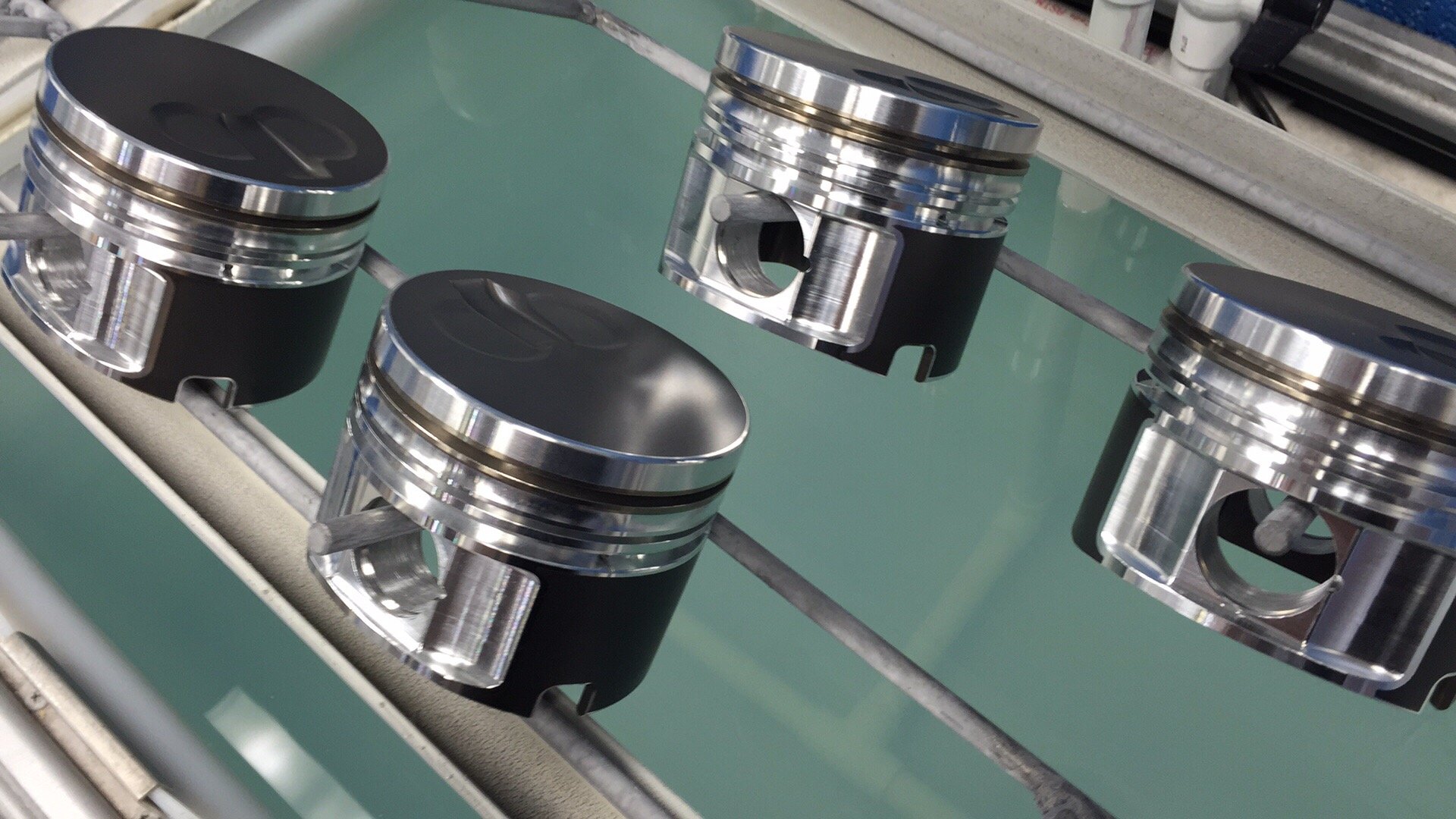
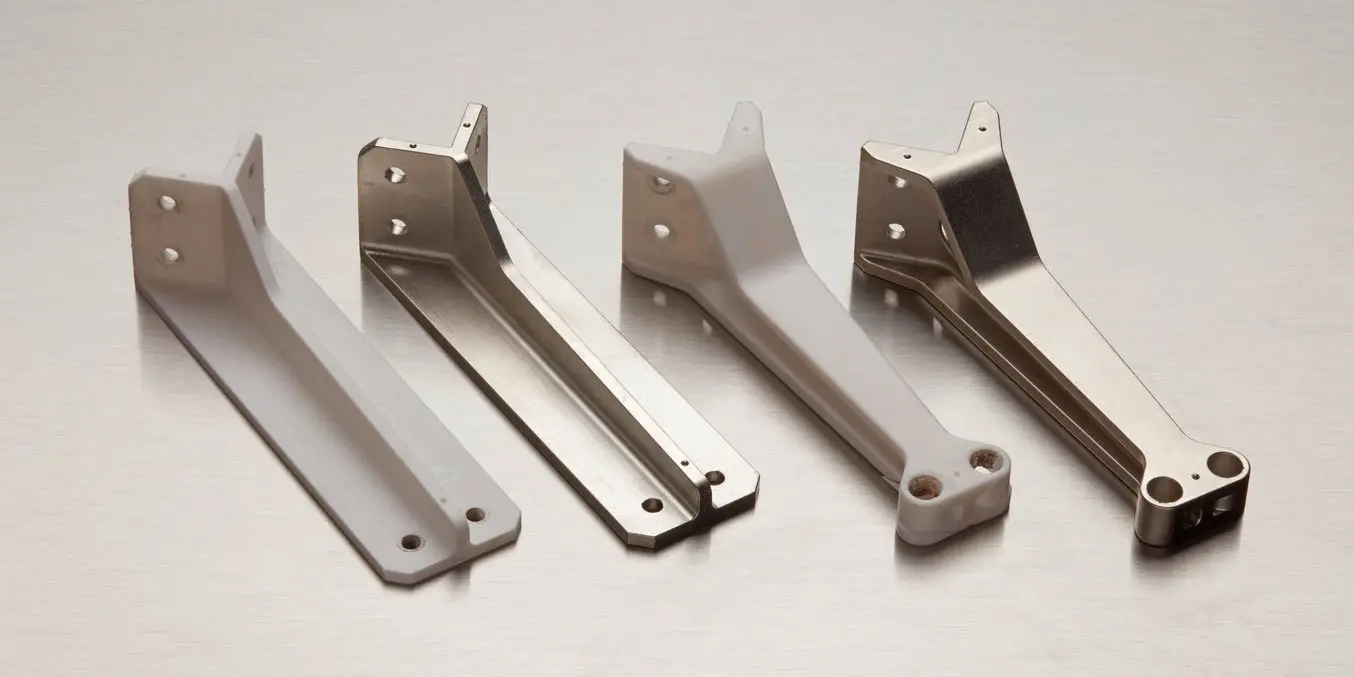
Display of Finished Product Results

CONTACT US

Personal Data:

Gender:

Message:


Shop Adress: Jl. Mangkudipuro No. 123, City of Pati, Code Post 59185 Telp.: (123) 456-7890 Email: info@surfaceplating.com